VO2 max myths, checked
What people believe about fitness and VO2 max, why it sounds right, and what the studies found.
 Sort of
Zone 2 is the best way to raise your VO2 max
Sort of. Steady training added 4.9 points across 28 trials, so it builds most of it. Intervals added more, and in fit men steady running alone didn't move it.
 No
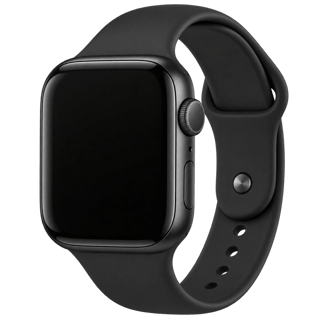
Your watch knows your VO2 max
No. No watch measures oxygen. It guesses from your heart rate at a pace, and Apple Watch Series 10 came in 6.25 points low on average, right for 5 of 35 people.
 Not the way you think
VO2 max is mostly genes, so training barely moves it
Genes shape how fast you gain, from almost nothing to over 1 liter a minute on one plan. But with enough training, everyone in the studies that pushed harder improved.
 No
After 60 it's too late to raise your VO2 max
No. Five men at 50 won back 30 years of lost oxygen use in six months, and people in their 70s who trained twice a week held their fitness for five years.
 Yes, but
Losing weight makes you fitter
Yes, but only on paper. VO2 max rises about 11 percent for every 10 percent lost, with the same heart. On GLP-1 drugs a quarter or more of the weight lost is lean mass.
 No
Your max heart rate is 220 minus your age
No. It was never tested in enough older adults and runs low after 30. Formulas from 18,712 and 3,320 people do better, and even they miss by over 11 beats for 1 in 3.
 No
Breathing exercises raise VO2 max by growing your lungs
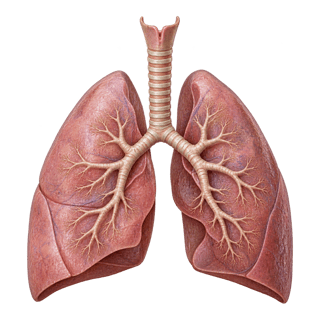
No. In healthy people the limit is mostly how much blood the heart can pump, and training raises VO2 max through the heart's output and the blood, not bigger lungs.
 No
VO2 max only matters if you're an athlete
No. The biggest drop in risk is at the bottom. Below average fitness for your age, against above average, carried 1.41 times the risk of death, the same as smoking.